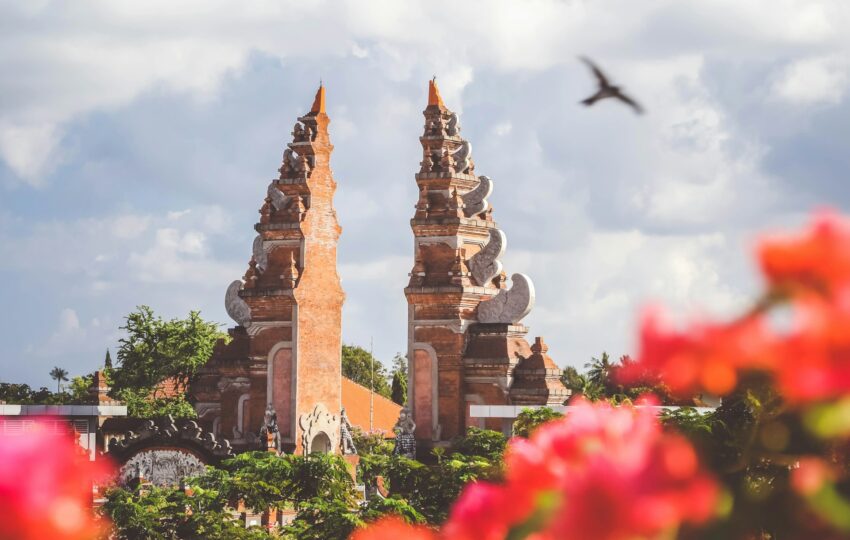
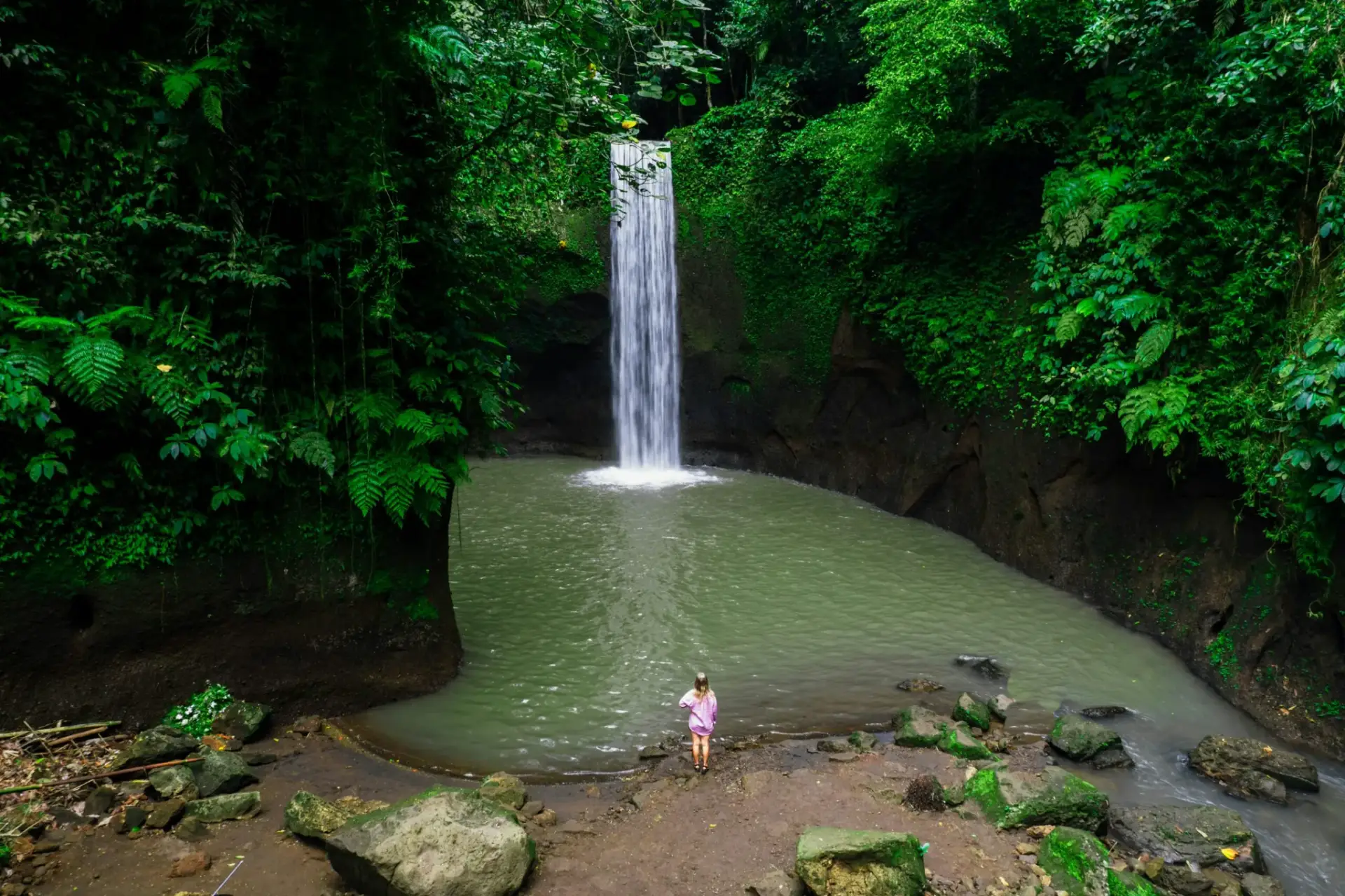
Bali doesn’t have four seasons. It has two moods: sun-drenched and rain-kissed. Choosing the best time to visit Bali depends on what kind of experience you’re craving—golden beach days, lush jungle adventures, or quieter, more soulful exploration.
In this guide, we break it all down so your trip aligns perfectly with your vibe.
Quick Answer: When is the Best Time to Visit Bali?
Arguably, the best time to visit Bali is during the dry season from May to September, when you’ll enjoy sunny days, lower humidity, and ideal conditions for outdoor activities.
But the real answer? It depends on you.
Bali Dry Season vs Bali Rainy Season
Bali’s tropical climate keeps things warm year-round (think 27–32°C), with two distinct seasons:
Dry Season (April to October)
- Sunny skies and lower humidity
- Ideal for beaches, tours, and food adventures
- Best for outdoor dining and culinary experiences
- Peak travel months: July & August
This is when Bali shows off—clear skies, breezy evenings, and perfect conditions for exploring markets, rice terraces, and street food scenes.
Rainy Season (November to March)
- Higher humidity with tropical downpours
- Rain usually comes in bursts, not all day
- Lush landscapes and fewer crowds
Even in the rainy season, Bali doesn’t shut down. Think misty jungles, vibrant greens, and cozy café culture.
A Note on Fruit Seasonality (Yes, This Matters)
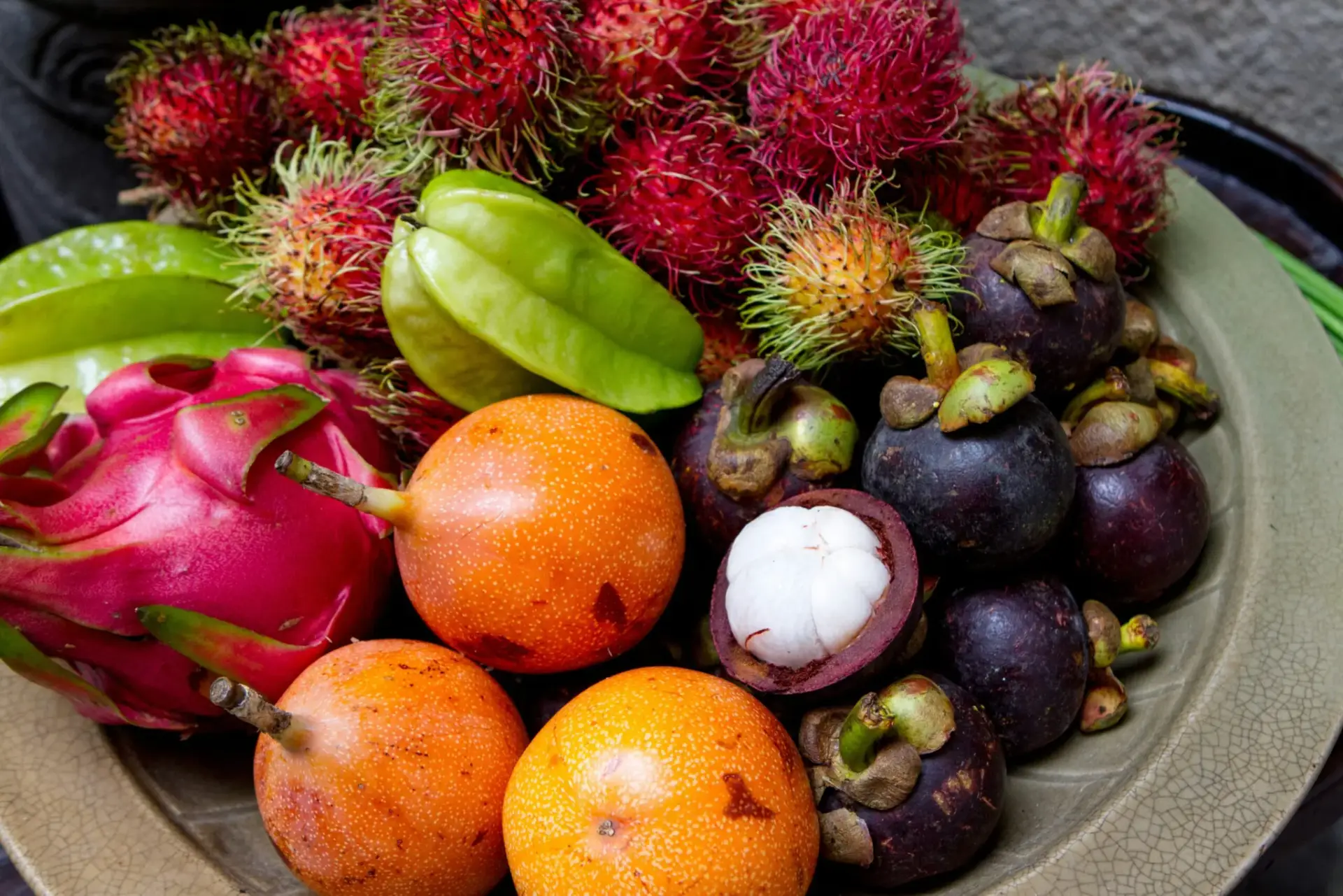
One of the best things about exploring a tropical country is nature’s abundance. Bali’s fruit scene is worth making a note of.
- Mango season typically peaks from October to January
- Rambutan & mangosteen flourish around December to March
- Snake fruit (salak) is available most of the year, but best in dry months
- Durian season generally peaks between December and February, though you’ll find waves of it throughout the year as it comes from different regions of the island
If you’re joining a food tour, this subtle seasonality shapes what ends up on your plate. One visit might be bright and citrusy, another rich and creamy. Bali keeps it interesting.
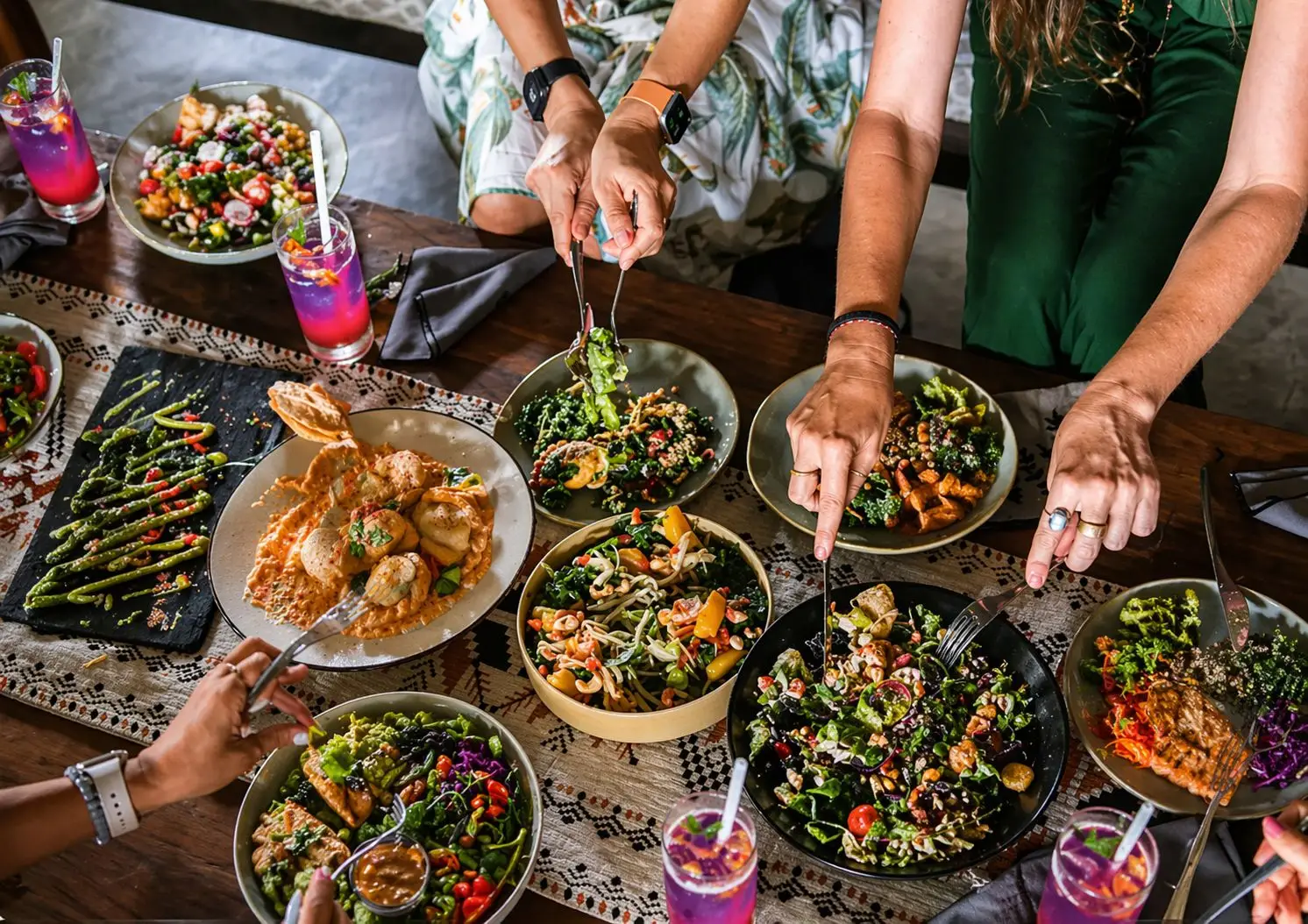
Best Time for Food & Culinary Experiences
If your trip revolves around food (as it should), timing adds layers to the experience:
May to September (Best Overall)
- Outdoor food markets are buzzing
- Easier to explore night markets comfortably
- Ideal for walking tours in Denpasar and Ubud
November to March (Underrated Gem)
- Fewer tourists = more authentic local experiences
- Seasonal fruits are abundant (hello, mangosteen and durian)
- Perfect for slower, deeper culinary exploration
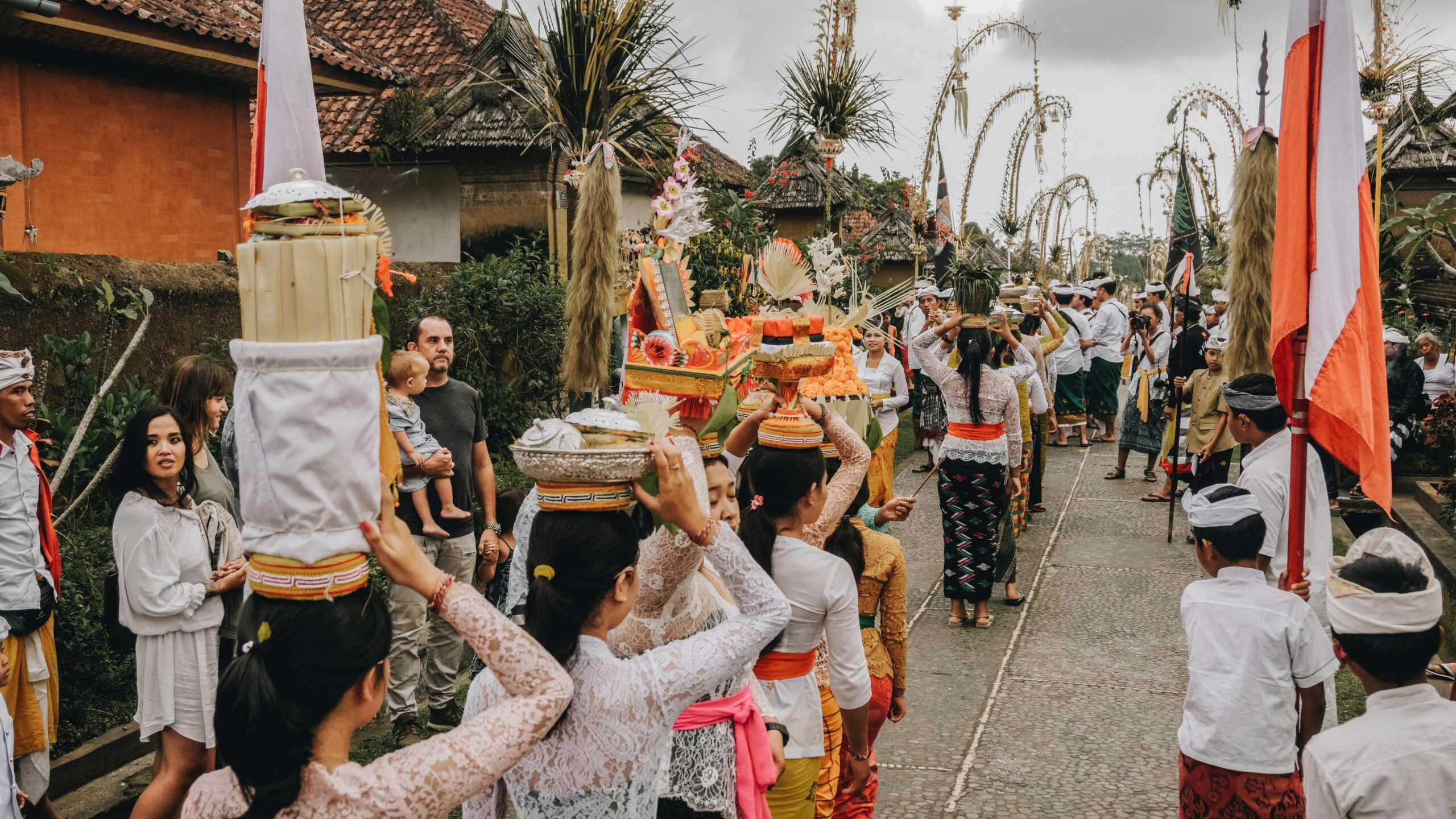
Cultural & Festival Calendar (Plan Around These)
Bali isn’t just weather and waves—it’s ceremony, rhythm, and collective pause. Timing your visit around festivals can completely reshape your experience.
Nyepi and The Ogoh Ogoh Parade (March, dates vary)
- Bali’s most unique day: the entire island shuts down in silence, no lights, no work
- A powerful cultural reset and deeply spiritual experience
- Giant, dramatic demon statues are paraded through the streets the night before
Visitors are expected to stay within their accommodation, making it a rare moment of stillness in an otherwise vibrant island.
Bali Arts Festival (June – July)
- A month-long celebration of Balinese culture
- Daily performances, parades, and exhibitions
- A great time to combine food, art, and tradition
Day Zero Festival Bali (April)
- A newer addition to Bali’s calendar, blending music, art, and immersive experiences
- Expected to become an annual highlight
- Draws a global crowd while still feeling curated and intentional
This reflects Bali’s evolving identity—where ancient rituals and modern expression coexist in fascinating ways.
Ubud Food Festival (May)
- A vibrant, annual celebration of Indonesia’s culinary heritage held in Ubud
- Brings together top chefs, local warungs, and food lovers from around the world
- Features cooking demos, workshops, tastings, and cultural discussions
- A perfect event to experience Bali’s food scene at its most creative and alive
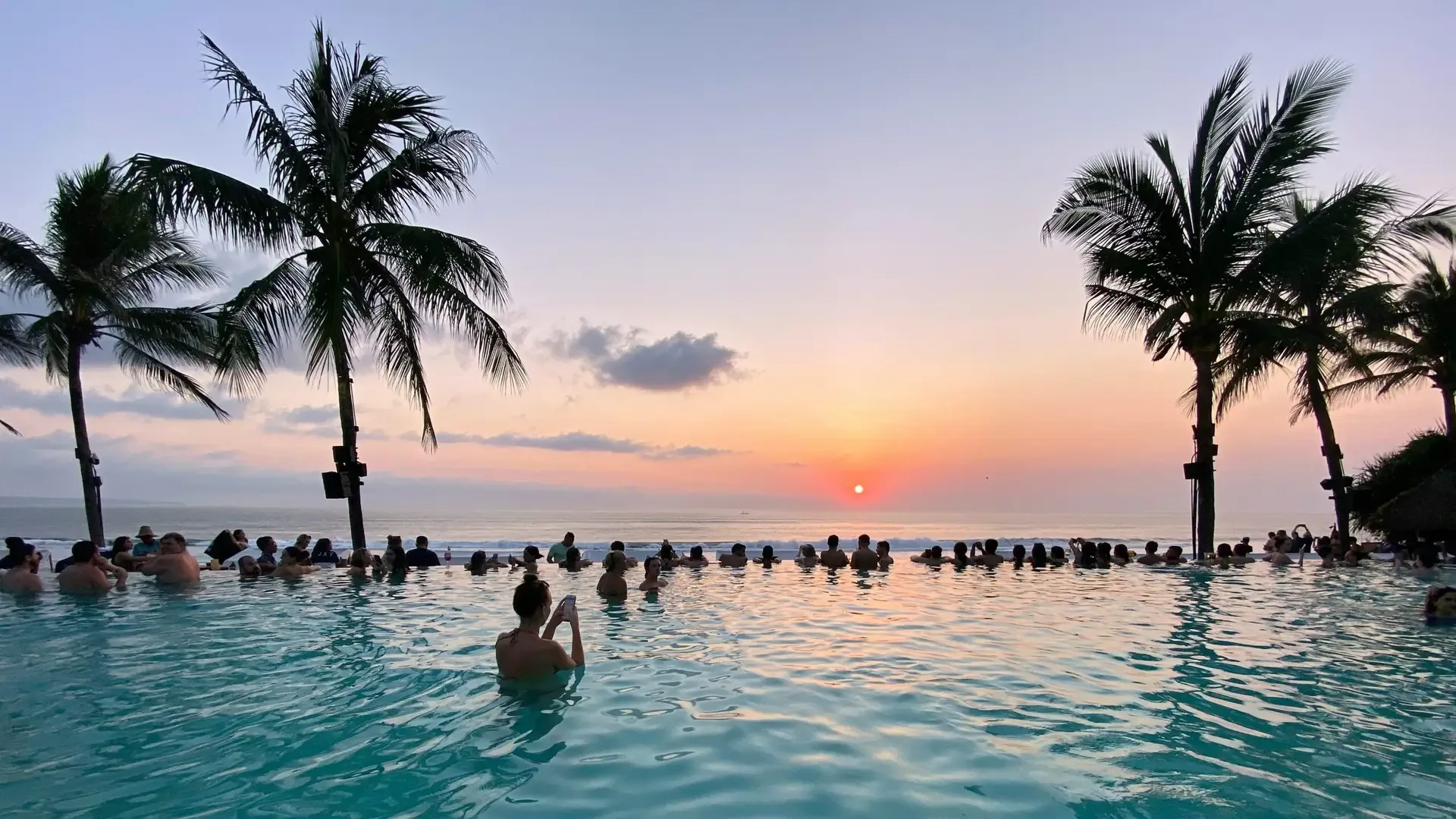
Month-by-Month Breakdown
April – June (Shoulder Season Sweet Spot)
- Great weather + fewer crowds
- Slightly lower prices
- Perfect balance for tours and dining
July – August (Peak Season)
- Best weather of the year
- Busy beaches and higher prices
- Cultural events in full swing
September – October (Quiet & Beautiful)
- Still dry, but less crowded
- Ideal for photography and food tours
- Great value for money
November – March (Low Season)
- Rainy but lush
- Best for budget travelers
- Rich in seasonal fruits (including durian season in Dec–Feb)
Cheapest Time to Visit Bali
If you’re watching your budget, aim to visit Bali during the shoulder months on either side of high season:
- February to March
- October to early December
Flights and accommodation are often cheaper, and you’ll experience a more relaxed version of Bali.

Best Time for Activities
Whether you’re chasing sunshine, surf, scuba diving, or waterfalls, timing your visit right can make all the difference in how you experience Bali for your preferred activity.
| Activity | Best Time |
| Beach & Sun | May – September |
| Surfing (West Coast) | May – September |
| Surfing (East Coast) | November – March |
| Kitesurfing | June – August (strong winds on east coast) |
| Snorkeling & Scuba Diving & Freediving | April – November (best visibility in dry season) |
| Hiking & Volcano Trekking | May – October (dry trails, clear sunrise views) |
| Waterfalls | May – October |
| Food Tours | Year-round |
| Cultural Festivals | June – August |
So… When Should You Visit Bali?
Think of Bali like a menu:
- Want perfect weather + vibrant energy → come in May to September
- Want fewer crowds + better prices → aim for April, June, September, October
- Want lush scenery + deeper local connection → embrace rainy season magic
- Want peak fruit experiences (including durian) → lean into December to February
There’s no bad time—just different flavors of Bali.
Final Thought from Bali Culinary Tours
The “best time” isn’t just about sunshine—it’s about how you want to experience Bali.
Some travelers chase sunsets. Others chase sambal. Others… chase durian with brave curiosity.
If you’re here for the food, the stories, and the people behind every dish… Bali is always in season.