For years, Bali has been known for its beaches, temples, and rice terraces. But today, another attraction is drawing travellers from around the world: food tourism in Bali. Food is no longer simply something enjoyed between sightseeing stops; for many visitors, discovering the island through its flavours has become the highlight of their journey.
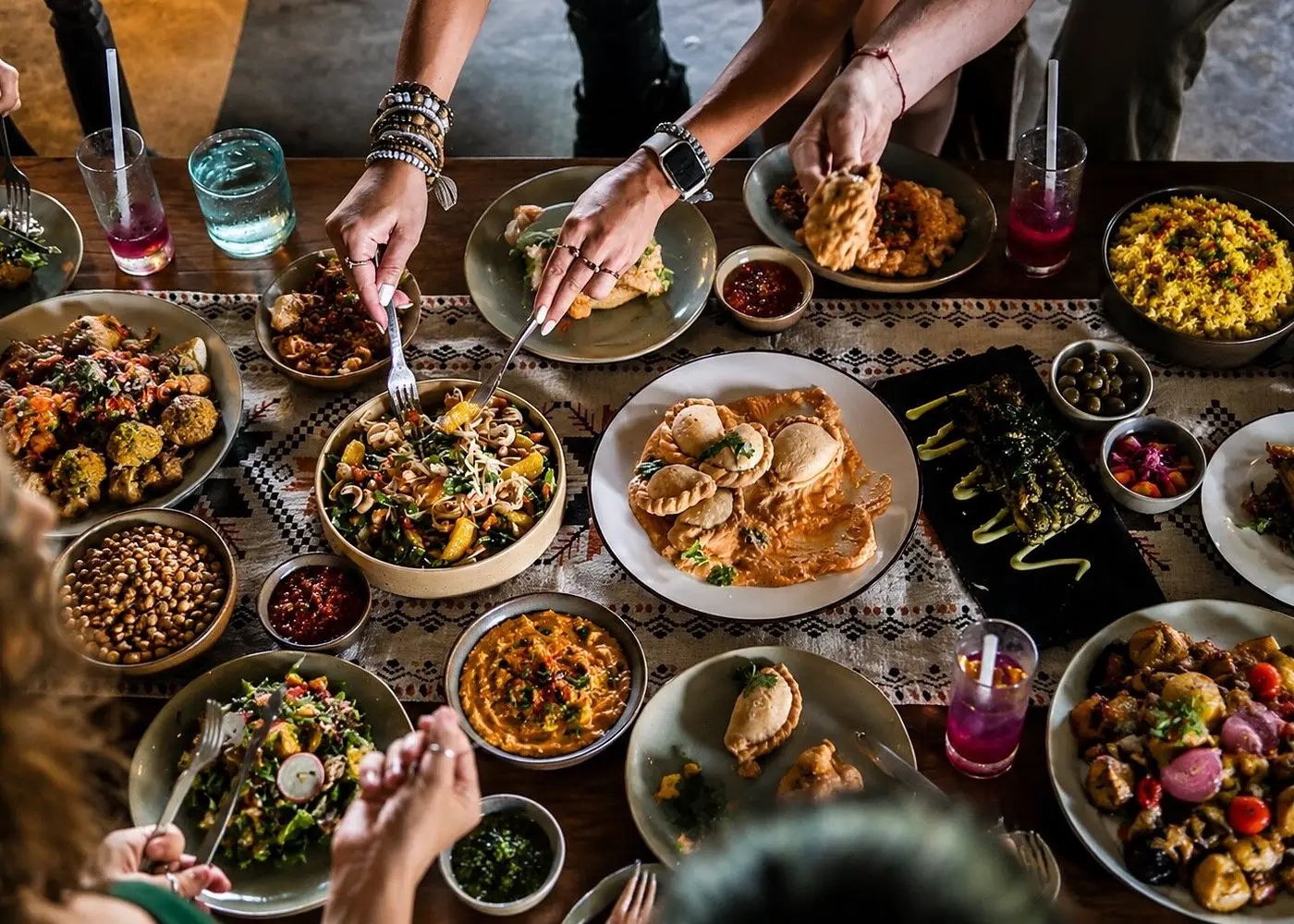
Balinese cuisine is deeply connected to history, ceremony, family, and community. Traditional dishes like nasi campur, babi guling, ayam betutu, lawar, and sambal matah are more than meals — they are recipes and traditions passed down through generations.
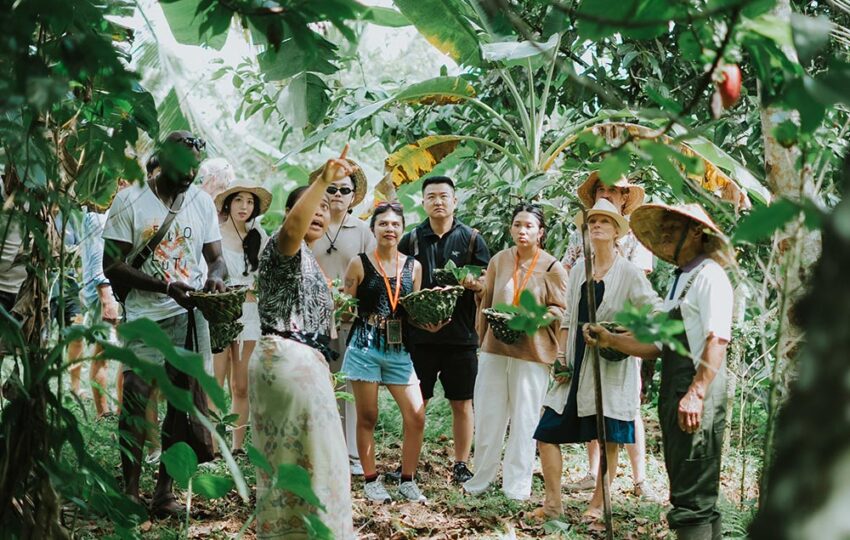
Travellers looking for authentic Balinese food experiences are stepping beyond restaurants and into traditional markets, family kitchens, organic farms, and cooking classes, eager to learn how locals eat, cook, and celebrate.
The Rise of Food Tourism in Bali
As Bali continues to evolve as a global travel destination, culinary experiences have become an increasingly important part of how visitors explore the island.
Among Bali’s many tourism experiences, food-focused tours, cooking classes, market visits, and farm-to-table experiences have emerged as a favourite way for travellers to connect with local culture.
The appeal is simple: food creates connection.
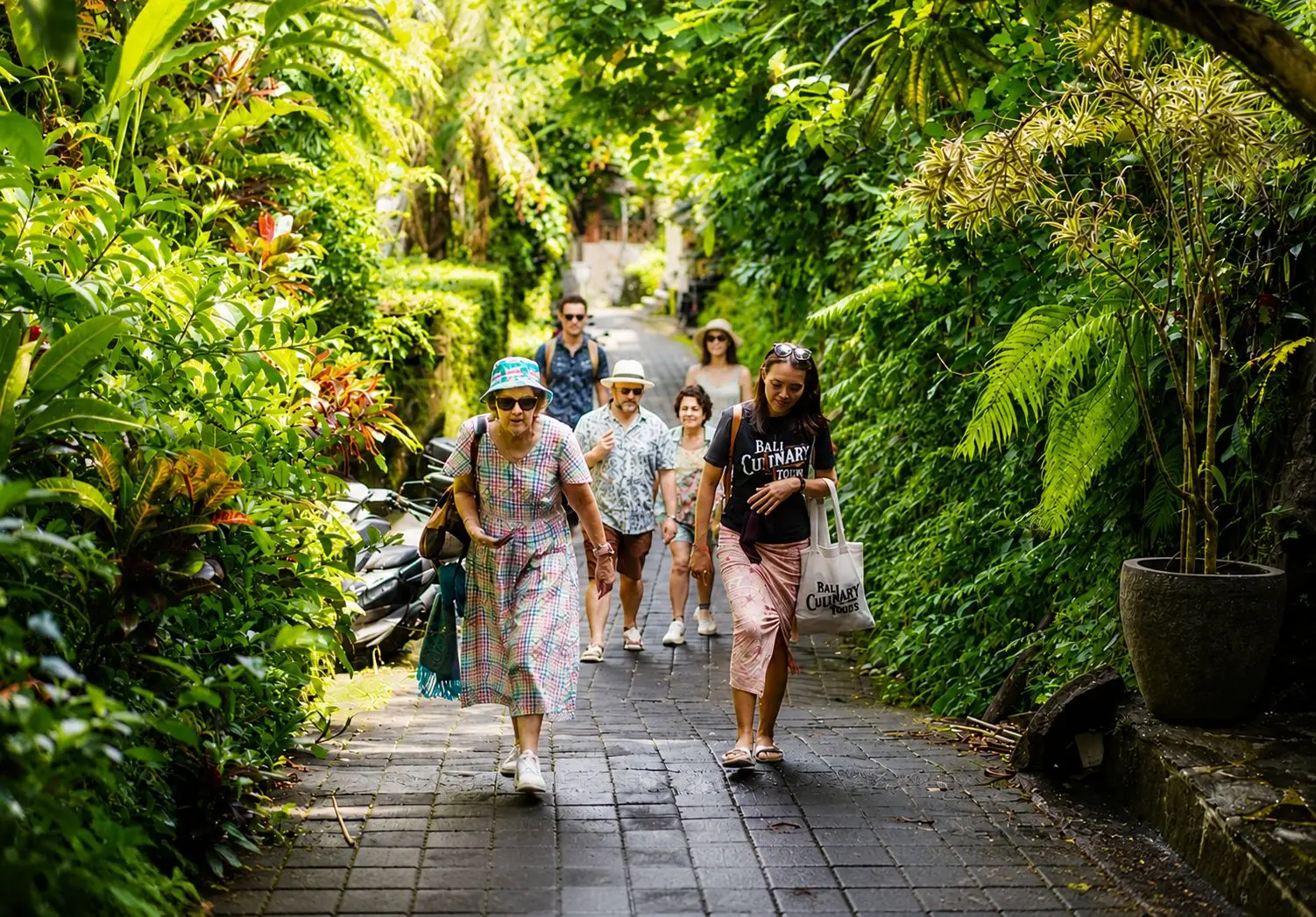
A sunrise walk through a traditional market, learning about local spices, cooking with a Balinese chef using freshly harvested ingredients, or sharing a meal inside a family compound offers something a typical sightseeing experience cannot — a personal connection to the island.
Ubud: The Heart of Bali’s Culinary Culture
While Bali’s food scene stretches across the island, Ubud remains the cultural and culinary heart of Bali.
Surrounded by rice fields, jungle, and traditional villages, Ubud has become a hub for farm-to-table dining, organic cafés, Balinese cooking classes, and sustainable food experiences.
Many restaurants and chefs in Ubud work closely with local farmers, using seasonal produce grown nearby. This connection between growers, cooks, and communities helps preserve traditional ingredients while encouraging a more sustainable approach to dining.
Visitors can explore traditional markets, learn about Balinese herbs and spices, harvest ingredients from local gardens, and join cooking classes where recipes are shared through stories rather than just instructions.
For many travellers, an Ubud cooking class becomes more than a lesson in preparing food — it becomes a window into Balinese culture.
The Human Connection: Why Travellers Seek Authentic Food Experiences
What makes culinary tourism in Bali so special is not only the food, but the people behind it.
Food is deeply woven into Balinese life. It appears in daily family traditions, temple ceremonies, village celebrations, and offerings made with care.
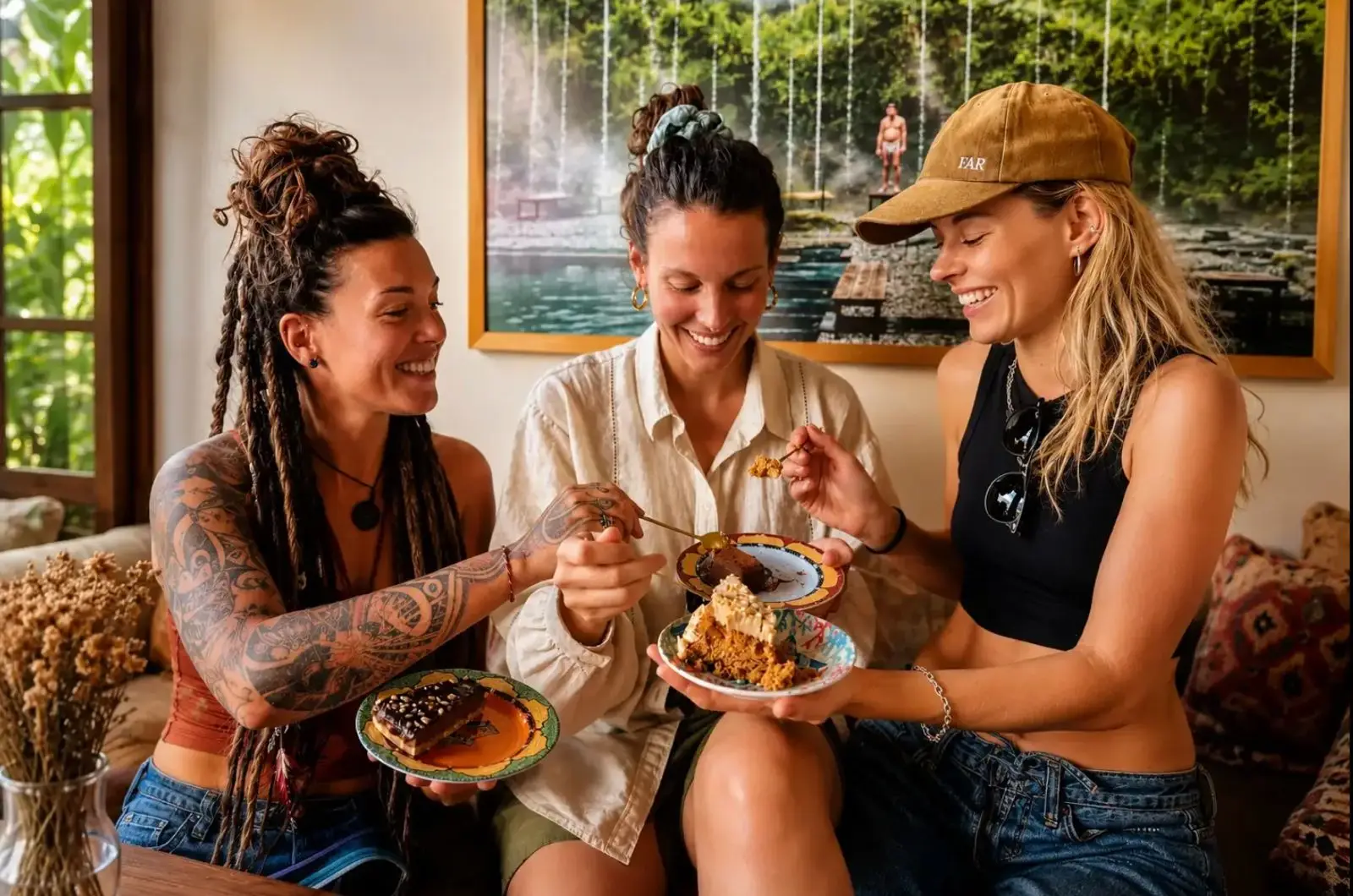
Many visitors say that meeting local cooks, farmers, and families becomes one of the most memorable parts of their trip.
There is a genuine joy in sharing culture through food — from explaining the meaning behind ingredients to teaching traditional cooking techniques. These moments create a two-way exchange: travellers gain a deeper understanding of Bali, while local communities have the opportunity to preserve and share their heritage.

Sustainable and Diverse Food Experiences Across Bali
Amed: Simple Sea-to-Table Traditions
Amed, on Bali’s eastern coast, offers a slower and more traditional side of the island’s food culture.
While it is not known for large-scale culinary tours, visitors can experience authentic coastal traditions by joining local fishermen at sunrise, learning about fishing practices, and enjoying freshly grilled seafood prepared simply.
It is a reminder that some of Bali’s most meaningful food experiences are not always formal — sometimes they happen through everyday local life.
Bedugul: Highlands, Farms & Fresh Produce
The cooler highlands of Bedugul are known for agriculture and fresh produce. Visitors can enjoy experiences connected to the region’s farms, including strawberry picking, local markets, and discovering the fruits and vegetables that thrive in Bali’s mountain climate.
Tabanan and Ubud: Jungle Foraging & Traditional Ingredients
Beyond the towns and restaurants, rural parts of Bali offer opportunities to discover wild ingredients growing naturally in the landscape.
Some experiences include collecting edible leaves, herbs, bamboo shoots, and seasonal jungle ingredients before preparing them with local chefs in traditional Balinese kitchens.
For travellers interested in a deeper cultural experience, these can often be arranged privately with local partners.
Jimbaran Fish Market & Conscious Seafood Choices
Jimbaran is famous for its seafood culture, with the fish market and beachfront restaurants attracting visitors looking for fresh catches.
However, as seafood tourism grows, it is worth making conscious choices. Sustainability practices vary, and travellers can help protect Bali’s marine ecosystems by asking about sourcing, choosing responsibly caught seafood, and being mindful of vulnerable species.
Bali’s Fine Dining Scene
Bali’s culinary scene has also grown beyond traditional food experiences, with internationally recognised chefs bringing new techniques and creativity to the island.
Since the Michelin Guide does not currently cover Indonesia, Bali restaurants are not officially Michelin-starred. However, several restaurants are recognised by chefs, food writers, and international diners for delivering exceptional fine-dining experiences, with some chefs bringing experience from Michelin-starred kitchens overseas.
Some of Bali’s most acclaimed fine-dining restaurants include:
- Locavore NXT (Ubud)
https://locavorenxt.com - Mozaic Restaurant Gastronomique (Ubud)
https://www.mozaic-bali.com - Apéritif Restaurant & Bar (Ubud)
https://www.aperitif.com - Syrco BASÈ (Ubud)
https://syrcobase.com - The Cave (Uluwatu)
https://www.thecavebali.com - CURE (Canggu)
https://www.curebali.com - Il Ristornate (Uluwatu)
- Kayu Puti (Nusa Dua)
- Moral (Nusa Dua)
- Rumari (Jimbaran)
Ubud remains at the centre of Bali’s fine-dining movement, thanks to its access to local ingredients, creative chefs, and strong connection to farmers and producers. Meanwhile, Uluwatu is rapidly emerging as a new culinary hotspot, with a growing collection of stylish restaurants and chef-led concepts.
Experience Bali Through Food
More than a trend, culinary tourism in Bali is reshaping how travellers experience the island.
It supports local communities, helps preserve traditions, encourages sustainable food practices, and creates meaningful cultural exchange.
If you want to experience Bali beyond the beaches, our curated Bali food tours and culinary experiences offer an immersive way to connect with the island.
We take guests beyond typical tourist routes — into local markets, family compounds, organic farms, and hidden food spots where stories, traditions, and flavours come together.
Whether you’re joining a traditional Balinese cooking class, exploring local ingredients, enjoying a plant-based food journey, or discovering village food culture, we create experiences that bring you closer to the heart of Bali — one bite at a time.