Food has always travelled. Spices, grains, fruits, and recipes have crossed borders for centuries through trade, migration, and cultural exchange. What’s changed is speed. Today, food can move from local staple to global obsession almost overnight — driven by social media, wellness culture, and trend-led consumption.
And while that visibility looks like success, it often comes with a hidden cost.
When popularity becomes pressure
Many trending foods are deeply rooted in specific places, climates, and seasons. They rely on natural cycles and skilled labour that were never designed for constant scale.
When demand grows faster than ethical supply systems can adapt, producers are often pushed to:
- increase output beyond sustainable limits
- prioritise volume over quality
- sell through intermediaries who hold most of the power
The result is familiar: environmental strain, economic imbalance, and reduced access for local communities, even as global consumers pay premium prices.
The downside of food trends: real examples
This pattern has repeated across multiple food trends:
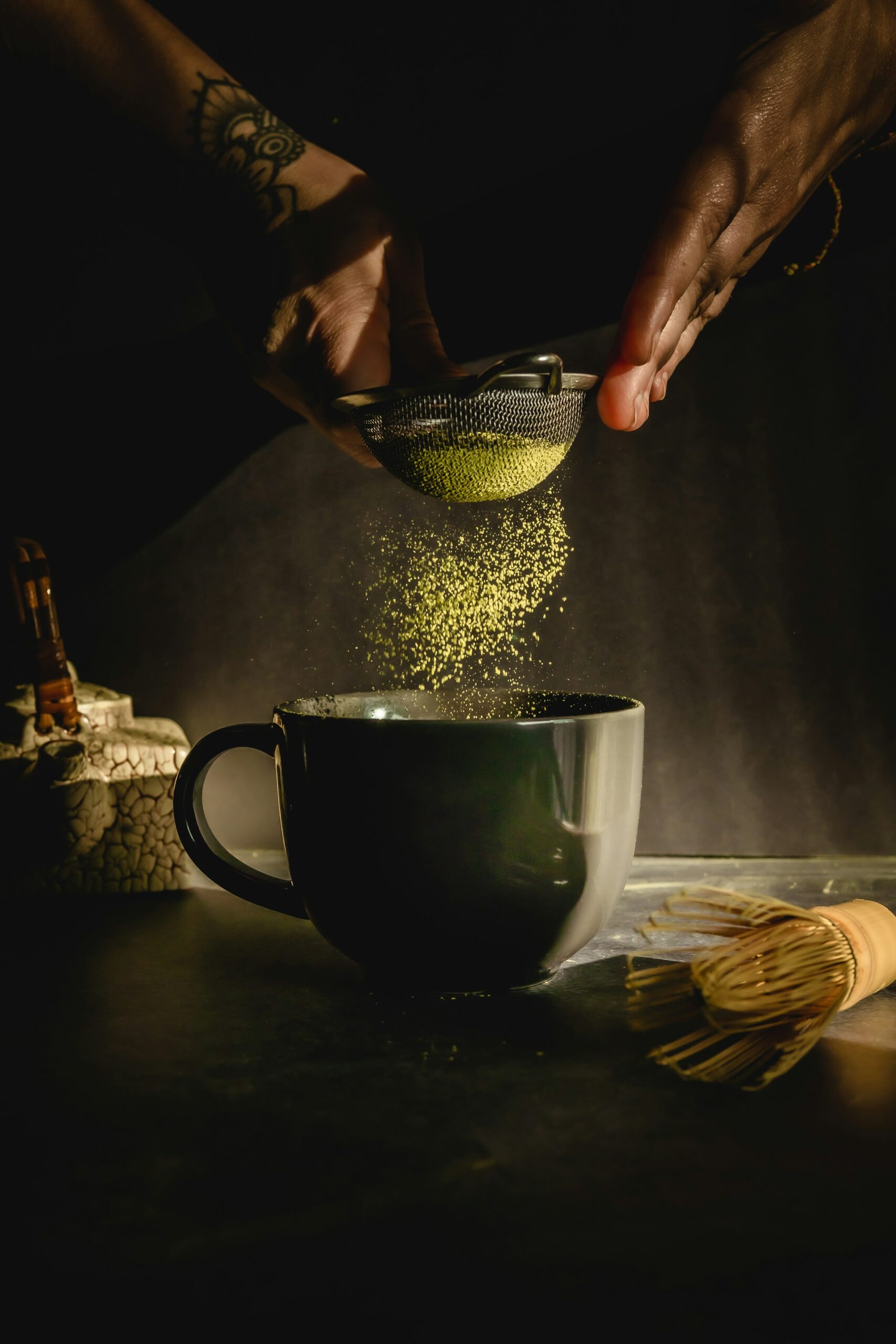
Matcha shifted from a ceremonial, seasonal craft to a year-round global commodity, placing pressure on small tea growers and contributing to quality dilution.
Avocados became a symbol of wellness while driving water scarcity, deforestation, and rising local prices in major producing regions.
Quinoa, once a staple for Andean communities, became less affordable locally after international demand surged.
In each case, popularity didn’t simply increase appreciation, it reshaped who benefits, who bears the cost, and who loses access.
Durian: when polarisation becomes protection
Durian offers a rare counterpoint.
It’s divisive, unapologetic, and deeply contextual. It is loved intensely by some and rejected outright by others, and thus it has resisted being softened or rebranded for mass appeal.
Because of this, durian has largely remained:
- seasonal
- regional
- culturally rooted
Its strong identity has slowed large-scale global commodification. In a food system that rewards sameness and scale, resistance like this matters.
Not every food needs to be available everywhere
Modern food culture often assumes that exposure equals progress; that the more global a food becomes, the better. But biodiversity, cultural integrity, and sustainability depend on limits, not endless expansion.
When every ingredient must be:
- available year-round
- accessible everywhere
- universally palatable
we lose what gives food meaning: place, season, and relationship.
Some foods thrive precisely because they ask something of us — curiosity, patience, context, even discomfort.
The overlooked value of seasonality
Rejecting food trends isn’t about restriction or nostalgia. It’s about remembering rhythm.
Seasonality creates anticipation. Mango season is exciting because it ends. Durian season is special because it arrives, peaks, and disappears again. These cycles give food meaning in the same way summer and winter do.
There are also clear nutritional and physiological benefits to eating seasonally:
- seasonal produce is often fresher and more nutrient-dense
- water-rich fruits appear in hotter months to hydrate and cool the body
- more grounding, energy-dense foods emerge in cooler or wetter seasons
- digestion and satiety often improve when food aligns with climate
This isn’t romanticism — it’s biological intelligence.
Trend culture, psychology, and instant gratification
Trend-driven food culture feeds instant gratification — the expectation that we should have anything we want, at any time, regardless of ecological or human cost.
Seasonality does the opposite. It:
- builds patience
- deepens appreciation
- heightens pleasure
What we wait for, we enjoy more fully.
From a psychosomatic perspective, the body recognises rhythm. Just as energy, mood, and hormones shift across natural cycles, our nutritional needs change too. Eating in sync with the land supports not only physical health, but nervous system regulation and satisfaction.
Sustainability, then, is not only environmental. It’s psychological.
Questions worth sitting with
In a system that rewards scale over meaning, anything distinctive risks being extracted rather than protected. That’s worth pausing with.
- Why do we feel entitled to everything, all the time?
- When did “seasonal” start to feel like a limitation instead of a gift?
- What happens to enjoyment when anticipation disappears?
- If nothing is rare, can anything still feel special?
We talk about presence and living in the moment, yet chase constant availability instead. We document meals more than we taste them. We consume for likes, not memory.
And perhaps the harder question: who pays the price for our convenience?
Choosing relationship over trends
Stepping away from trend-driven food culture allows food to belong to its place and time again. It shifts us from entitlement to relationship, from extraction to respect.
Not every food needs to go viral.
Not every ingredient needs to scale.
Not every culture needs to feed global demand.
Sometimes the most meaningful experiences are the ones that can’t be rushed, replicated, or owned — only anticipated, shared, and remembered.
Experience food where it belongs
Perhaps the future of food isn’t about discovering the next viral ingredient. Perhaps it’s about rediscovering the value of what is already around us.
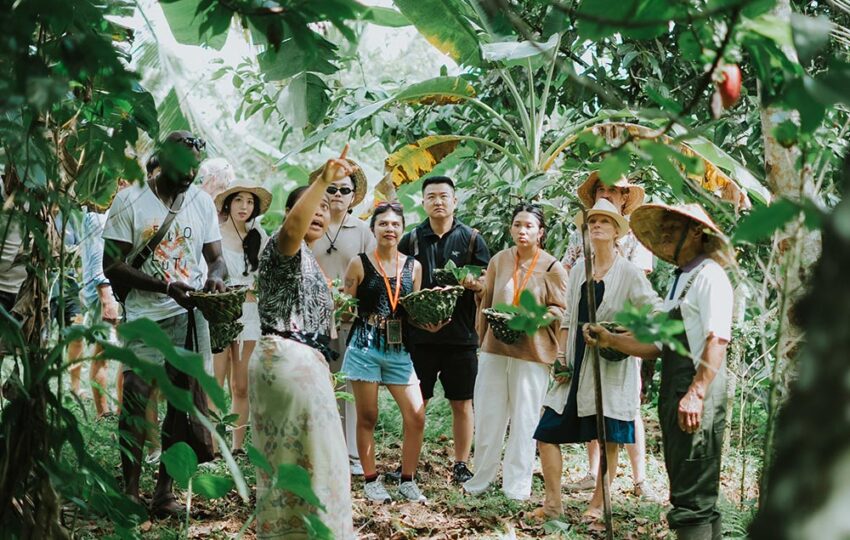
In Bali, food is deeply connected to place, season, ceremony, and community. The best culinary experiences are not just about tasting something new — they are about understanding where it comes from, who grows it, and why it matters.
A truly meaningful food experience might look like:
- tasting fruit when it is at its peak
- learning from local chefs and farmers through Bali Cooking Classes
- discovering traditional ingredients beyond the trend cycle
- sharing meals in the places and communities that shaped them
At Bali Culinary Tours, we believe food is more than just something to consume. It is a doorway into culture, history, and connection.
Our Bali food tours invite travellers to explore the island through its flavours — from traditional Balinese dishes and local markets to hidden food experiences that celebrate the people and stories behind the plate.
Because the best food memories aren’t always the ones that go viral.
They’re the ones that made you feel connected.