Indonesia is one of the world’s great food countries, but Indonesian cuisine is often reduced to the same handful of dishes: nasi goreng, beef rendang, satay and maybe a plate of nasi campur.
Spend a little more time eating your way around Indonesia, and you quickly discover that the cuisine is far more interesting than that.
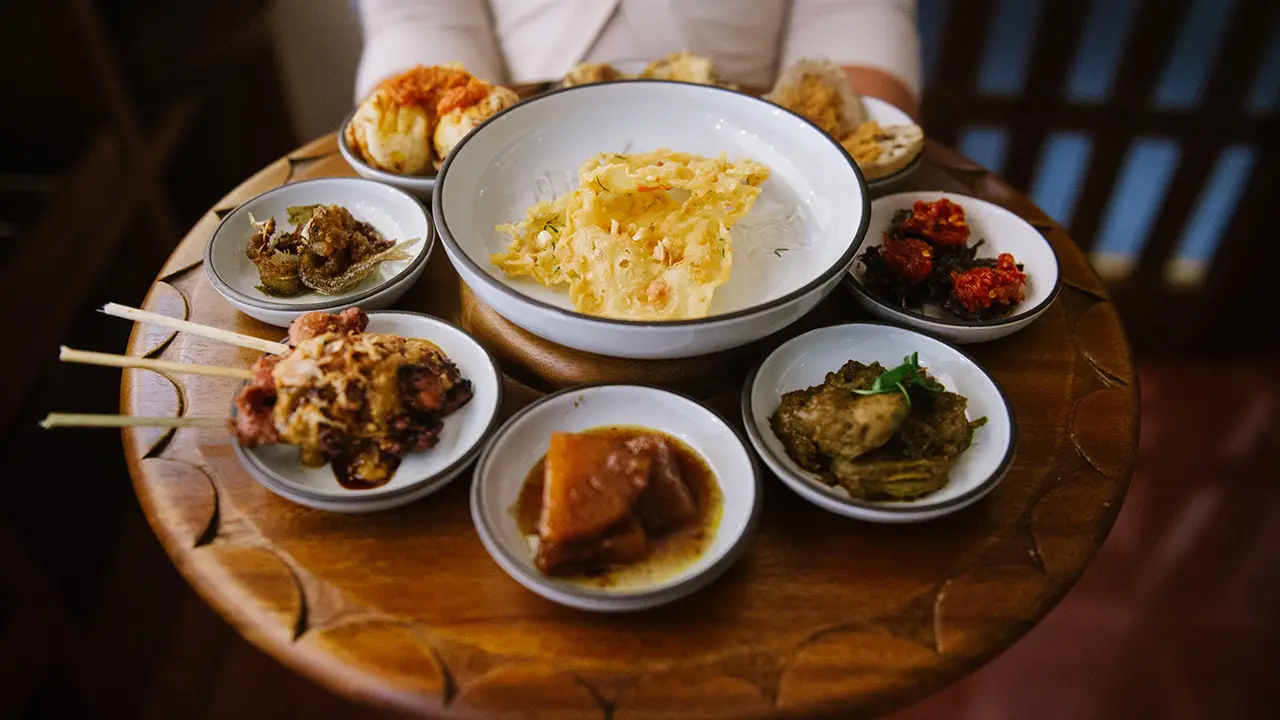
With more than 17,000 islands and hundreds of regional food traditions, Indonesian cooking is wonderfully difficult to define. A Balinese meal can look completely different from one in West Sumatra, North Sulawesi or Java. There are fiery sambals, smoky grilled meats, fragrant spice pastes, fermented ingredients, coconut-rich curries, bitter greens, banana blossom, tropical herbs and recipes that have been passed down through generations.
And Bali is an unusually good place to explore all of it.
The island has its own incredibly distinctive food culture, but it has also become home to chefs and restaurants exploring Indonesian cuisine from across the archipelago. From humble warungs in Denpasar to sophisticated restaurants in Ubud and Seminyak, there are now plenty of places to eat Indonesian food that goes well beyond the usual tourist menu.
So, if you’re looking for the best Indonesian restaurants in Bali, these are ten I’d put on your list.
1. Hujan Locale, Ubud
Best for: Modern Indonesian food, sharing plates and exploring regional flavours
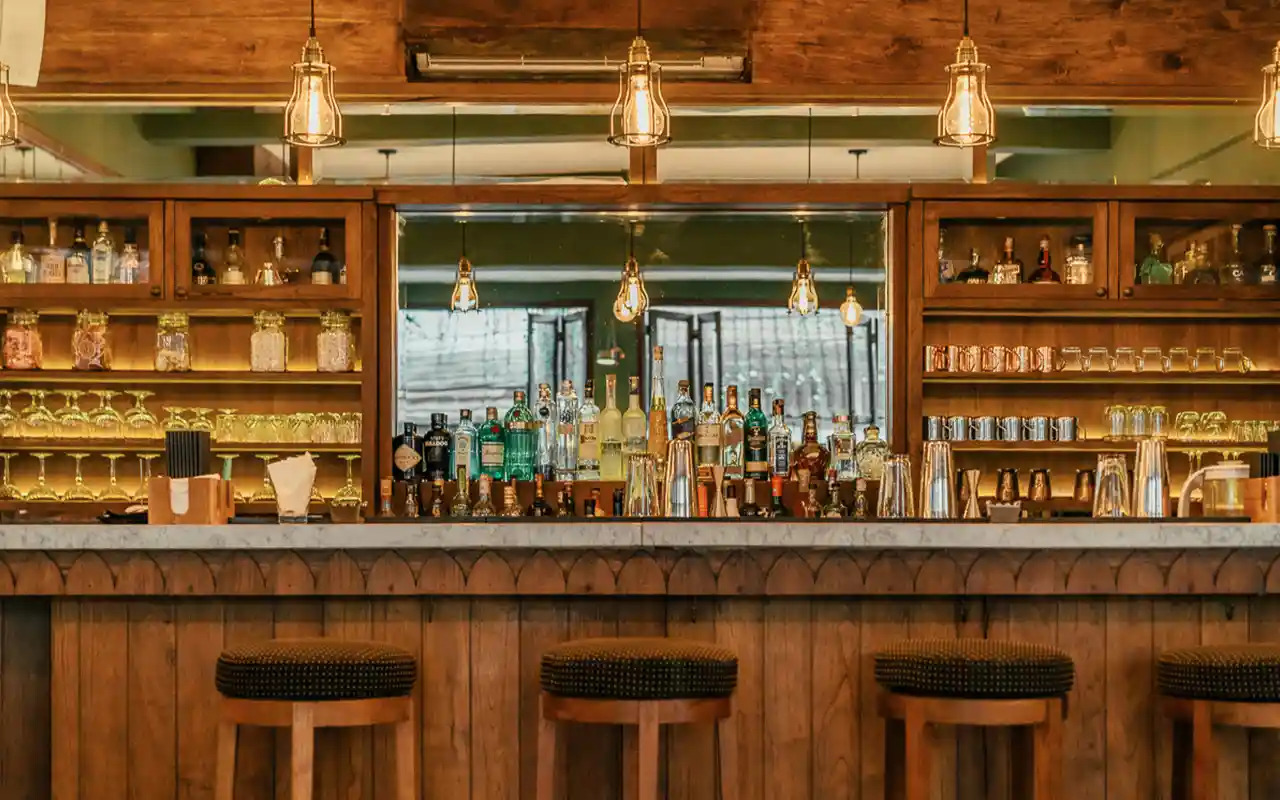
Hujan Locale is one of those restaurants that makes a strong case for Indonesian food as serious restaurant cuisine.
Chef Will Meyrick built Hujan Locale around the flavours and ingredients he encountered while travelling throughout Indonesia and Southeast Asia. The result is a menu that moves between traditional recipes, street food influences and more contemporary interpretations, without losing the punchy flavours that make Indonesian cooking so addictive.
The format works particularly well for groups. Order several dishes for the table and let the sambals, curries, grilled meats and vegetables all fight for attention.
The current menu also illustrates how broad the restaurant’s influences are, with dishes such as Batak hay-smoked fish, Nyonya fish curry, Javanese slow-cooked beef cheek and nasi samin alongside Indonesian favourites.
What to order: Go hungry and share. The Feed Me menu is an easy way to sample several of the kitchen’s signatures, or order several dishes à la carte.
Where: Ubud
2. Nusantara by Locavore, Ubud
Best for: A culinary journey across the Indonesian archipelago
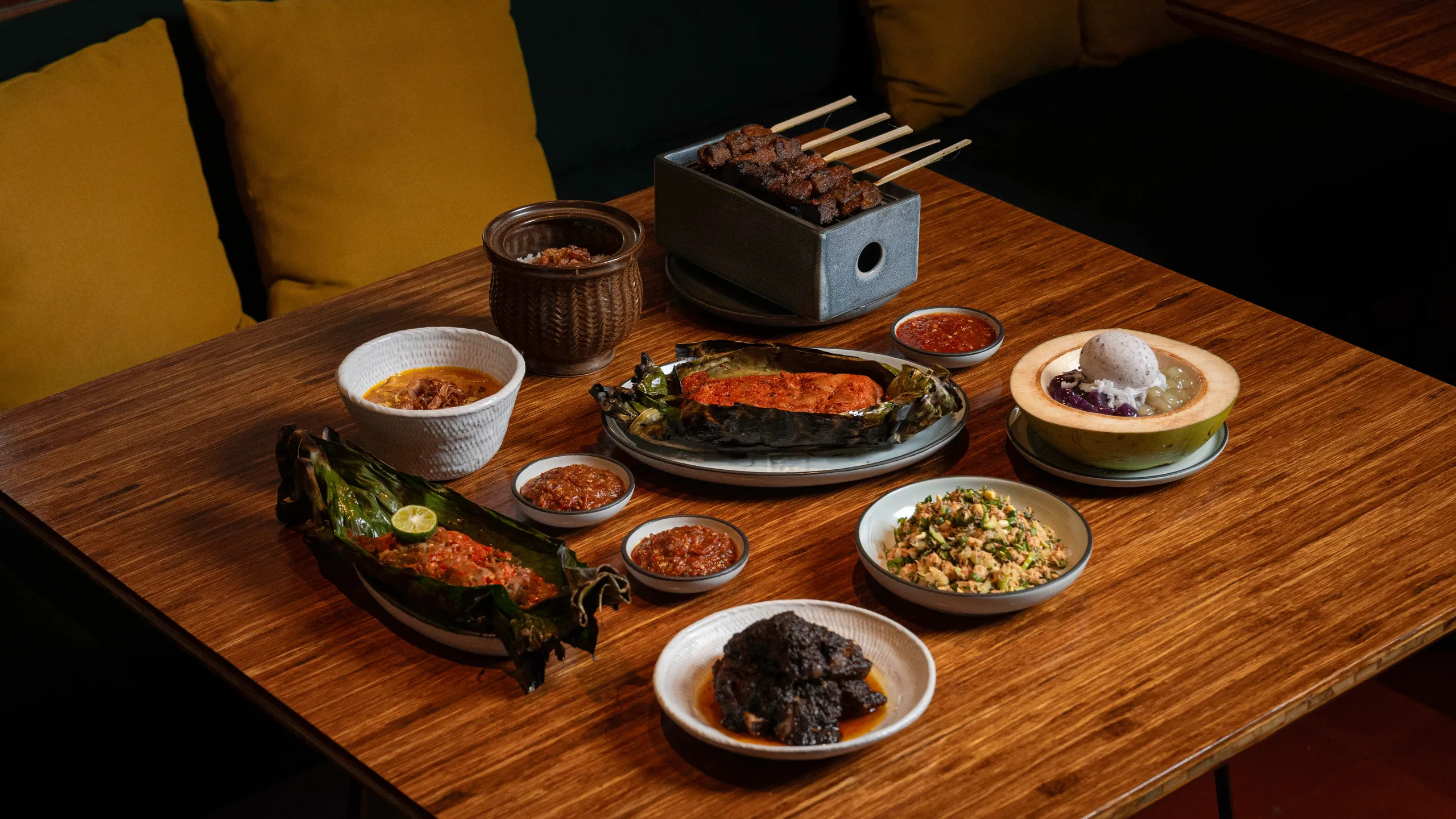
The name says it all. Nusantara means the Indonesian archipelago, and this restaurant from the Locavore team takes that idea seriously.
Rather than focusing exclusively on Balinese food, Nusantara explores regional dishes from across Indonesia, using Indonesian ingredients and traditional recipes as its starting point. The restaurant shares the Locavore group’s commitment to local farmers, heritage produce and high-quality Indonesian ingredients.
This is a particularly good restaurant for travellers who want to understand just how diverse Indonesian food can be without having to travel from island to island.
You might encounter dishes from Bali alongside flavours from Sumatra, Sulawesi, Kalimantan, Java or eastern Indonesia. Recent menus have included dishes such as Babi Kepayang and Krengseng Lidah, while the restaurant regularly highlights lesser-known regional dishes.
The restaurant also offers Indonesian cooking workshops, which makes it particularly interesting if you’re the sort of traveller who wants to take a little of the cuisine home with you.
What to order: Ask what’s new on the menu and order several dishes to share. The restaurant is at its best when you treat dinner as an exploration rather than ordering one safe favourite.
Where: Ubud
3. Warung Pulau Kelapa, Ubud
Best for: Traditional Indonesian food in a relaxed setting
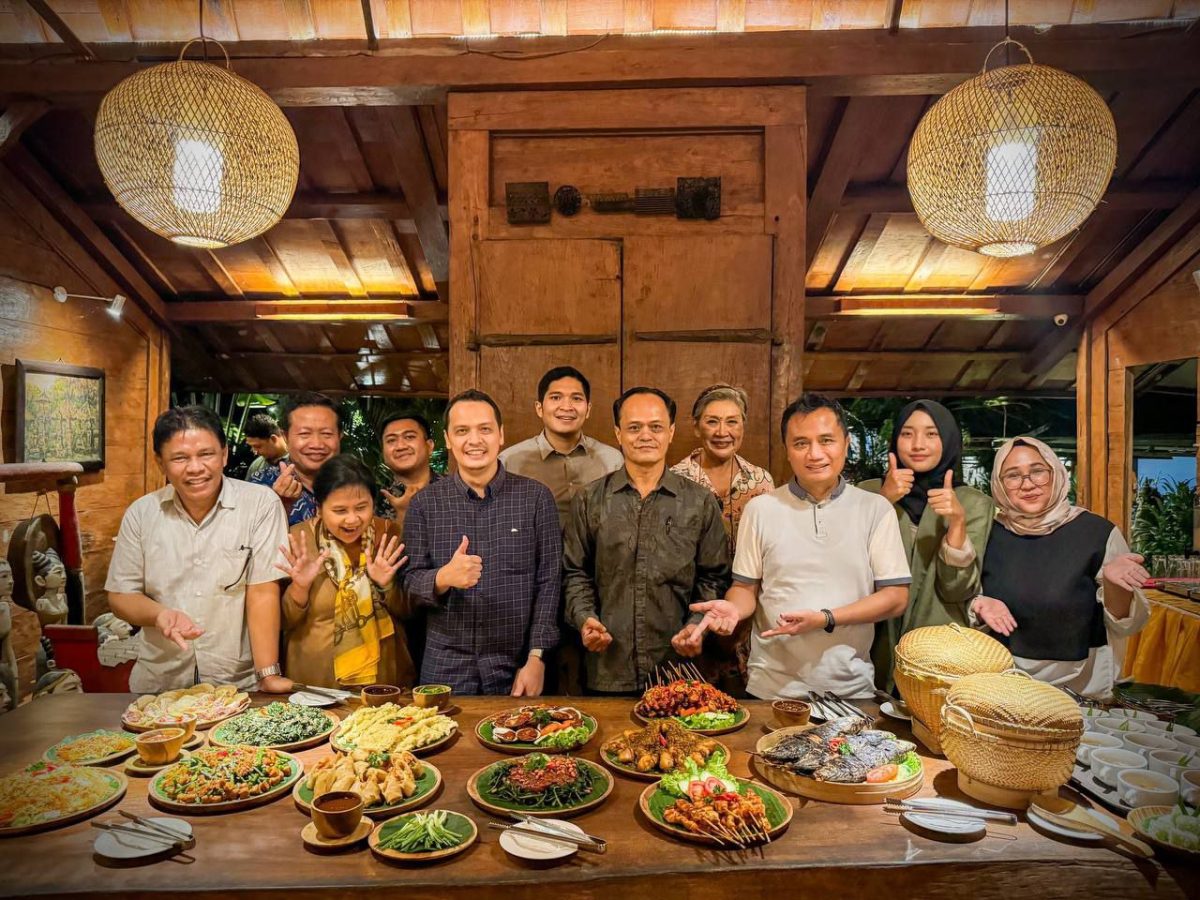
If Hujan Locale and Nusantara show what Indonesian cuisine can become in the hands of ambitious chefs, Warung Pulau Kelapa is a reminder of why the food is so good in the first place.
The restaurant specialises in dishes from different regions of Indonesia, rather than focusing solely on Balinese food. Its menu includes West Sumatran beef rendang, Cirebon’s tahu gejrot, Manado-style ayam rica-rica and Javanese ayam goreng serundeng, among plenty of other regional dishes.
The setting helps too. The restaurant is built around traditional Javanese joglo structures, with gardens and wayang-inspired decoration, giving the meal a distinctly Indonesian atmosphere.
This is somewhere I’d recommend when you want to sit down with a group, order a table full of food and simply eat.
What to order: Rendang, tahu gejrot, ayam rica-rica and ayam goreng serundeng are a good starting point. Add vegetables and sambal liberally.
Where: Ubud
4. HOME by Chef Wayan, Pererenan
Best for: Contemporary Balinese cooking with a personal story
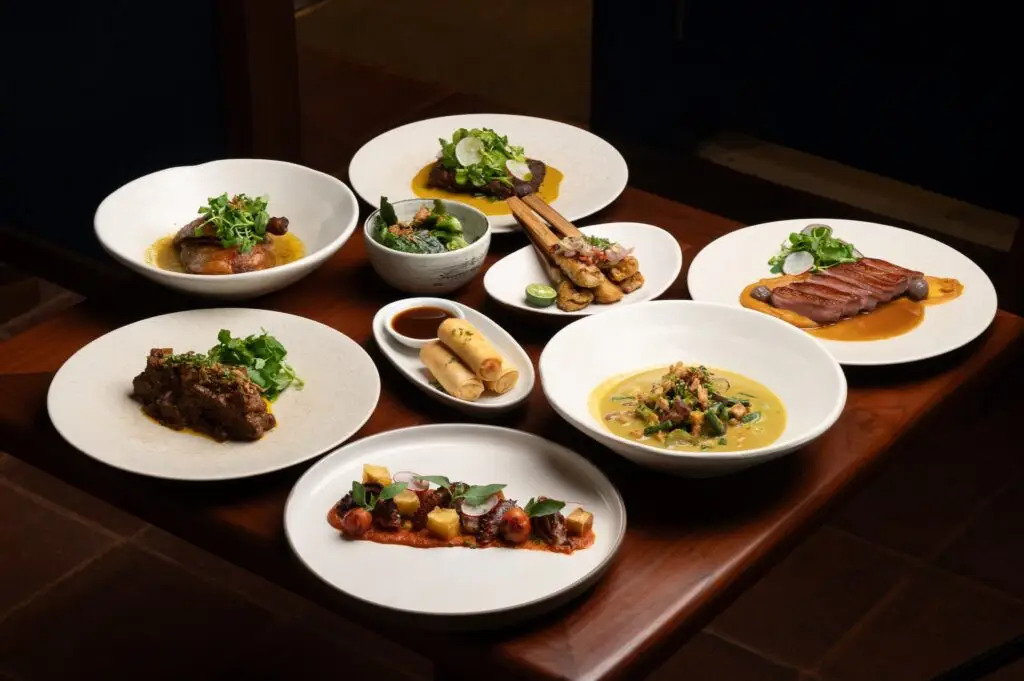
Chef Wayan Kresna Yasa’s HOME is exactly what its name suggests: a return to the food he grew up with, interpreted through everything he has learned since.
Born and raised on Nusa Penida, Chef Wayan went on to train in the United States and work in Michelin-rated kitchens before returning to Bali. He also spent years documenting Balinese cuisine, eventually publishing PAON: Real Balinese Cooking.
At HOME, traditional Balinese and Indonesian flavours meet contemporary technique, but the food never feels disconnected from its origins.
You’ll find dishes such as Babi Bali, Gurita Bakar, Ikan Bakar and Ledok Nusa, a traditional Nusa Penida dish. There are also vegan options, making this one of the more accommodating choices on the list for mixed groups.
The restaurant is in Pererenan, away from the busiest part of Canggu, and works particularly well for a slow lunch or dinner.
What to order: Try the Babi Bali or Gurita Bakar, and don’t overlook the Ledok Nusa if it’s available.
Where: Pererenan
5. Dapur Bali Mula, Les, North Bali
Best for: Experiencing Bali’s ancestral food traditions
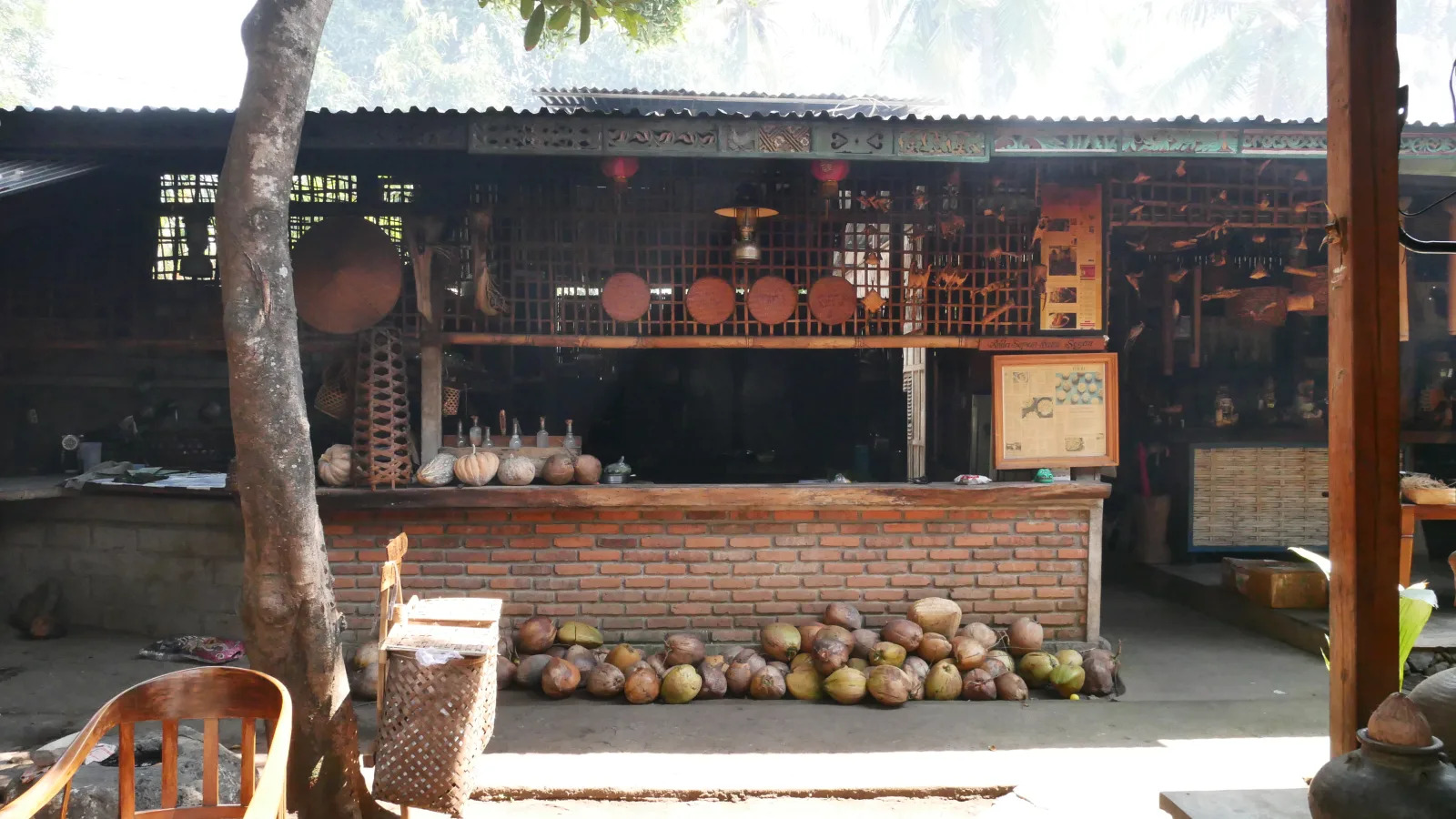
This is the wildcard on the list, and possibly the most fascinating.
Dapur Bali Mula isn’t really a restaurant you simply stumble into for dinner. Located in Les Village in North Bali, it is deeply connected to the surrounding landscape and the culinary traditions of the village.
Its philosophy begins outside the kitchen, with the forest, rice fields, ceremonies and ingredients of Les. The restaurant works with ancestral recipes and wood fire, creating food that is closely tied to the place where it is made.
One of its most interesting experiences is Pesta Desa, a village feast inspired by the occasions when the community comes together, fires are lit and ancestral recipes are prepared and shared on banana leaves.
There is deliberately no conventional fixed menu. Dapur Bali Mula describes its offering as “what the land offers today”, and opening follows the Balinese ritual calendar. Check with them before making the journey to Les, because this isn’t a restaurant operating on standard tourist hours.
And that’s precisely the point.
If you’re interested in Indonesian food as culture rather than simply something delicious on a plate, Dapur Bali Mula is one of the most compelling culinary experiences in Bali.
What to expect: Seasonal ingredients, ancestral recipes, wood fire and food deeply connected to the village and surrounding landscape.
Where: Les Village, North Bali
6. Warung Wardani, Denpasar
Best for: A proper Balinese nasi campur
Sometimes you don’t need a tasting menu. You need a plate of rice covered in a glorious pile of things.
For that, head into Denpasar.
Warung Wardani is known for its nasi campur Bali, served with a combination of sate lilit, shredded chicken, egg, tempe, crispy potatoes, prawns and vegetables. It’s the kind of meal that gives you a much better understanding of everyday Balinese food than a carefully plated “Balinese-inspired” dish ever could.
The warung itself is unpretentious, and that’s part of its appeal. You’re there for the food.
Denpasar is often overlooked by visitors who stick to Ubud, Canggu and the beach towns, but it is the beating heart of everyday Balinese life and one of the best places on the island to eat traditional food.
What to order: Nasi campur Bali. That’s the reason you’re here.
Where: Denpasar
7. Warung Mak Beng, Sanur
Best for: One of Bali’s most iconic simple meals
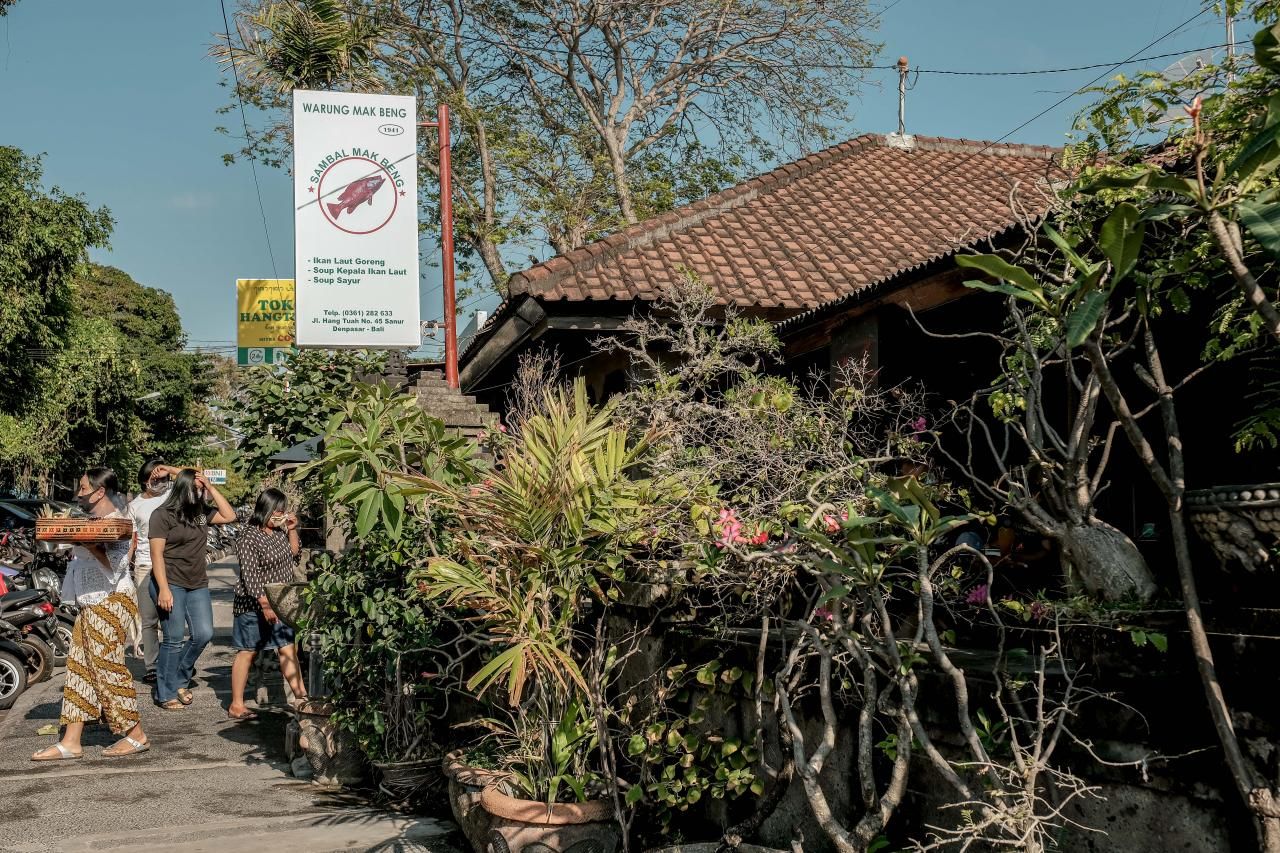
There are restaurants where you go because of the chef, restaurants where you go for the setting, and restaurants where one dish has become so synonymous with the place that ordering anything else would almost feel like missing the point.
Warung Mak Beng belongs firmly in the third category.
The Sanur institution has been serving its famous fish set since 1941, with a simple combination of crispy fried fish, fresh fish soup, rice and its signature sambal. The recipe has been passed down through generations.
There is something wonderfully uncomplicated about it. No elaborate tasting menu. No twenty-page wine list. Just fish, soup, rice and sambal, served hot.
And that’s a very Indonesian lesson in itself: sometimes the best food doesn’t need much decoration.
If you’re exploring Sanur, this is one of the places I’d make a point of eating.
What to order: The set menu. Fried fish, fish soup, rice and sambal.
Where: Sanur, Denpasar
8. The Long Table by John Hardy, Seminyak
Best for: Contemporary Indonesian food and a journey across the archipelago
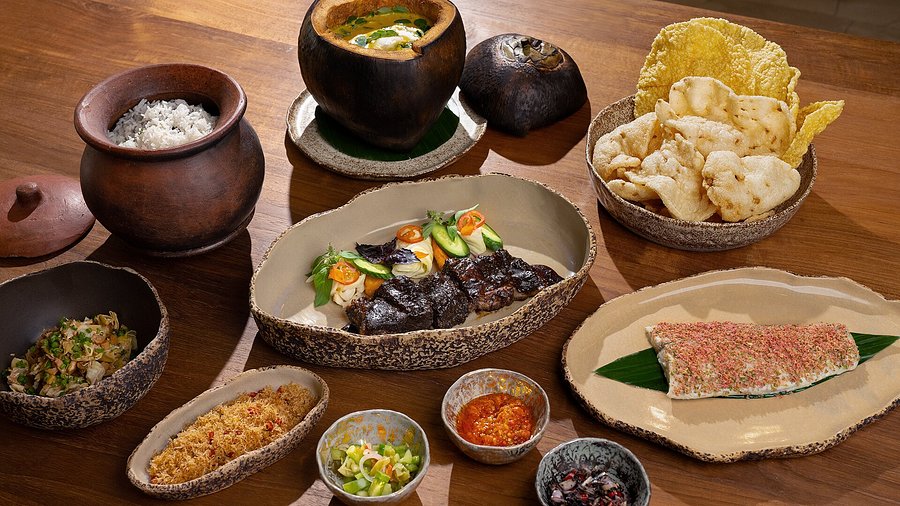
The Long Table is one of my favourite additions to this list, partly because I’ve had the pleasure of getting to know Chef Tomy Saputra, the chef behind the restaurant.
And yes, this absolutely counts as an Indonesian restaurant.
Chef Tomy takes Indonesia’s incredibly diverse culinary heritage and reinterprets it through contemporary cooking, with a particular interest in indigenous ingredients and lesser-known regional recipes. The menu changes seasonally and is designed around sharing, echoing the communal spirit at the heart of the restaurant.
One of the things I love about the Long Table is that the meal doesn’t feel like a parade of “greatest hits” from Indonesian cuisine. Instead, it moves around the archipelago.
There might be Iga Bakar, Sumatran-style beef short ribs cooked with tamarind and fermented sweet soy, alongside Jukut Kelor Mesanten, a Balinese dish of moringa leaves cooked in coconut broth inside a young coconut.
The long communal table is also more than a piece of furniture. The restaurant’s dining philosophy comes from John Hardy’s tradition of sharing meals, bringing together food, craftsmanship, community and Indonesian culture.
It’s a beautiful example of how Indonesian food can be refined and ambitious without losing its sense of place.
What to order: Go for the set menu and let Chef Tomy take you through the archipelago.
Where: Seminyak
9. Ulekan, Berawa
Best for: Traditional Indonesian flavours in an elevated setting
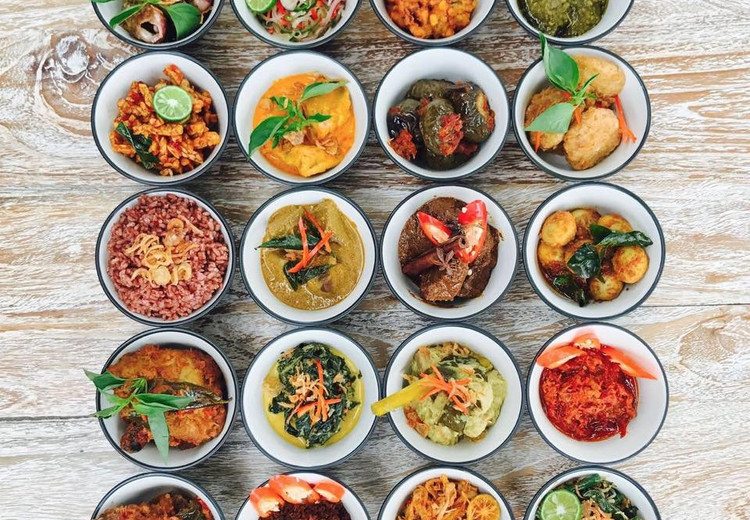
Ulekan takes its name from the traditional Indonesian stone mortar and pestle used to grind spices into the pastes that form the foundation of so much Indonesian cooking.
The restaurant’s philosophy is similarly straightforward: take traditional Indonesian food and give it a beautiful place to live.
Set inside a traditional joglo with batik textiles and an open kitchen, Ulekan focuses on recipes and flavours from across the Indonesian archipelago. The restaurant also introduces monthly dishes inspired by Indonesian heritage recipes, using seasonal ingredients and a more contemporary approach.
What I like about Ulekan is that it doesn’t try to turn Indonesian food into something unrecognisable. The flavours remain familiar, bold and deeply spiced, while the setting makes it an easy choice for travellers who want something more polished than a warung.
What to order: Order several dishes for the table and don’t skimp on the sambal.
Where: Berawa
10. Sangsaka, Kerobokan
Best for: Modern Indonesian cooking over fire
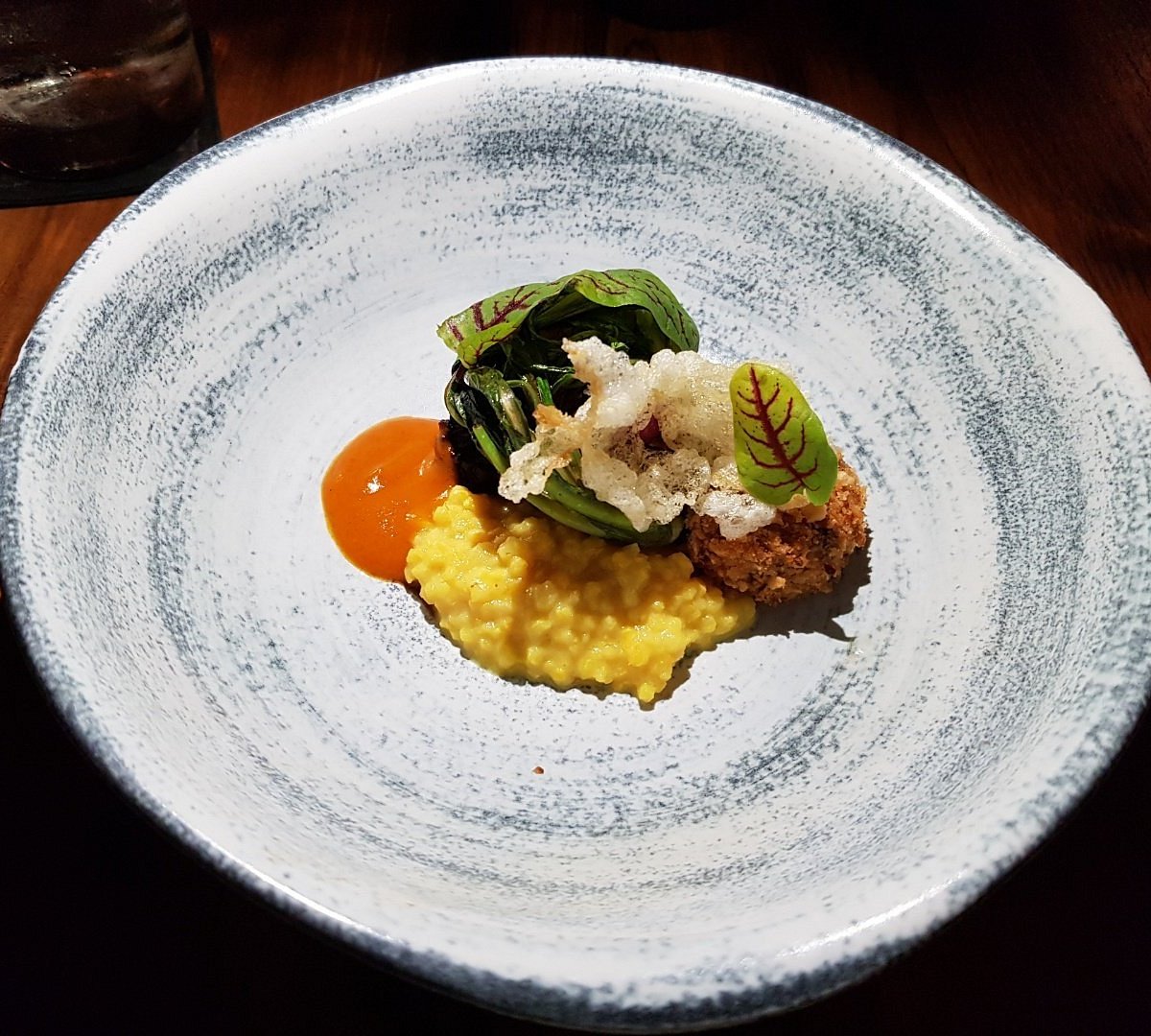
Hidden down a quieter street in Kerobokan, Sangsaka is a great example of where Indonesian cuisine is heading.
The restaurant describes itself as a modern Indonesian restaurant, with dishes inspired by regional ingredients, techniques and family recipes. Its wood-fired oven and grills give many of the dishes a smoky edge, while the menu travels well beyond Bali.
You’ll find dishes inspired by places including Kalimantan, Lombok, Madura, Nusa Penida, Tabanan and Pekanbaru. Current dishes include Kepiting Singkawang, Puyuh Bumbu Hitam Madura, Sate Babi Nusa Penida, Rujak Tongkol Tabanan and Udang Panggang Pekanbaru.
It’s a good choice when you want Indonesian food that feels creative and contemporary without abandoning its regional identity.
And if you want to continue the evening, the restaurant’s upstairs cocktail bar, Di Atas, makes a natural second stop.
What to order: Ask what’s coming off the grill that evening and order several dishes to share.
Where: Kerobokan
Why Indonesian Food in Bali Is Worth Exploring
One of the best things about eating Indonesian food in Bali is that you don’t have to choose between traditional and modern.
You can eat a plate of nasi campur in Denpasar for breakfast, have fried fish and soup at a 1941 Sanur institution for lunch, and sit down to a contemporary interpretation of regional Indonesian cuisine in Seminyak that evening.
You can eat food from Bali itself, then discover flavours from Sumatra, Java, Sulawesi, Kalimantan, Nusa Penida and eastern Indonesia without leaving the island.
And that’s what makes Bali such an interesting place to explore Indonesian cuisine.
The best Indonesian restaurants in Bali aren’t all trying to do the same thing. Some are preserving recipes. Some are reviving forgotten dishes. Some are taking home cooking into a modern restaurant. Others are simply serving one brilliant plate of food that has barely changed in generations.
That’s the real beauty of Indonesian food: there isn’t one Indonesian cuisine. There are thousands of stories hiding inside it.
Want to Eat Indonesian Food Like a Local?
If you really want to understand Indonesian food, restaurants are only part of the story.
Some of the most interesting dishes in Bali aren’t found on restaurant tasting menus at all. They’re tucked into traditional markets, tiny warungs, roadside stalls and family kitchens, where food is still connected to the rhythm of everyday life.
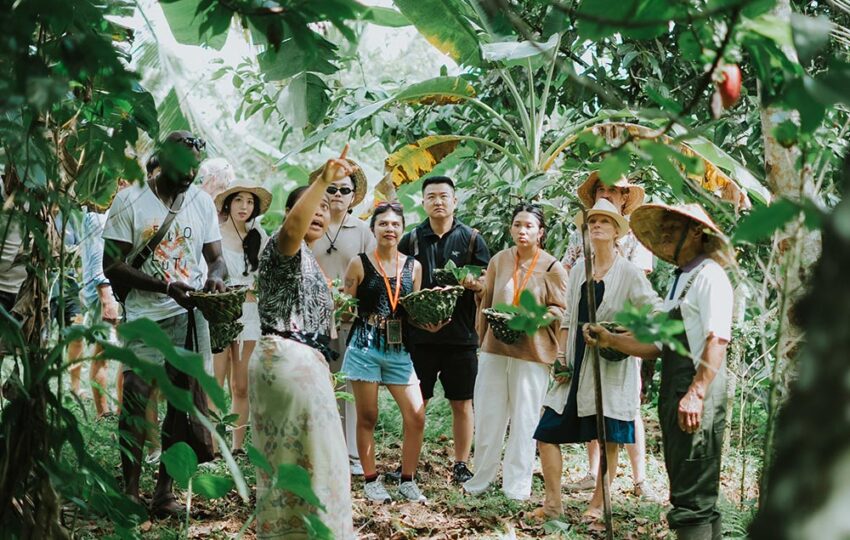
That’s exactly what we love exploring on Bali Culinary Tours.
Our food tours take you beyond the tourist menu and into the markets, warungs and local food spots where you can taste the dishes, ingredients and traditions that make Balinese food so distinctive.
Because sometimes the best way to understand a cuisine isn’t to read about it.
It’s to sit down, grab a plate of nasi campur, ask for extra sambal and start eating.
Frequently Asked Questions
What is the best Indonesian restaurant in Bali?
There isn’t one answer, because it depends on what you’re looking for. Nusantara by Locavore is excellent for exploring Indonesian cuisine from across the archipelago, Hujan Locale is a great choice for contemporary Indonesian food in Ubud, while Warung Wardani and Warung Mak Beng offer more traditional, everyday Balinese experiences.
Where can I eat authentic Indonesian food in Bali?
For a more local experience, head beyond Bali’s main tourist centres. Warung Wardani in Denpasar is known for Balinese nasi campur, while Warung Mak Beng in Sanur has been serving its famous fish, soup and sambal set since 1941. For a deeper cultural experience, Dapur Bali Mula in Les connects food with the ancestral traditions and landscape of North Bali.
Is Indonesian food the same as Balinese food?
No. Balinese cuisine is one regional cuisine within the much larger Indonesian culinary landscape. Indonesian food varies enormously between islands and regions, with different spice blends, ingredients, cooking techniques and religious influences.
What Indonesian dishes should I try in Bali?
Start with nasi campur, beef rendang, sate lilit, ayam rica-rica, lawar, babi guling, ikan bakar and sambal matah. If you’re eating at a restaurant specialising in regional Indonesian cuisine, ask the chef or staff what lesser-known dishes they recommend.
Where can I find traditional Balinese food in Bali?
Denpasar is one of the best places to look for everyday Balinese food, particularly at traditional warungs and markets. Ubud also has plenty of excellent options, while destinations such as North Bali offer opportunities to experience food that remains closely connected to village traditions.